AI diagnoses
Real examples of diagnosis articles generated with Broticola (multi-language).
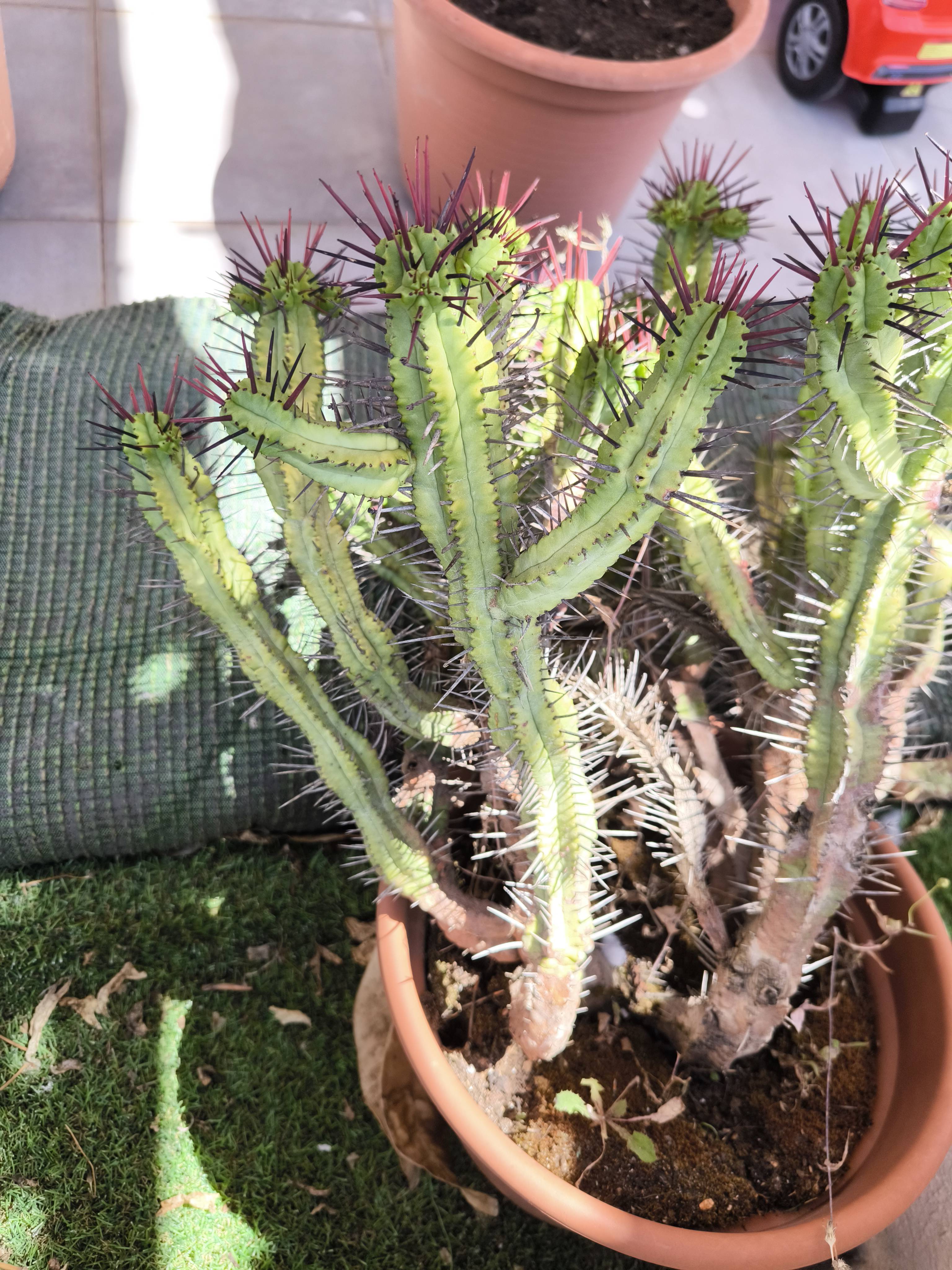
Euphorbia heptagona L.: care and monitoring for healthy stems
🌿 Euphorbia heptagona L.
Diagnosis: Euphorbia heptagona L. appears to be in good condition. Stems are green with visible spines, without spots or signs of pests or rot. Recommendations for light, watering, substrate, temperature and a 7–14 day monitoring plan.
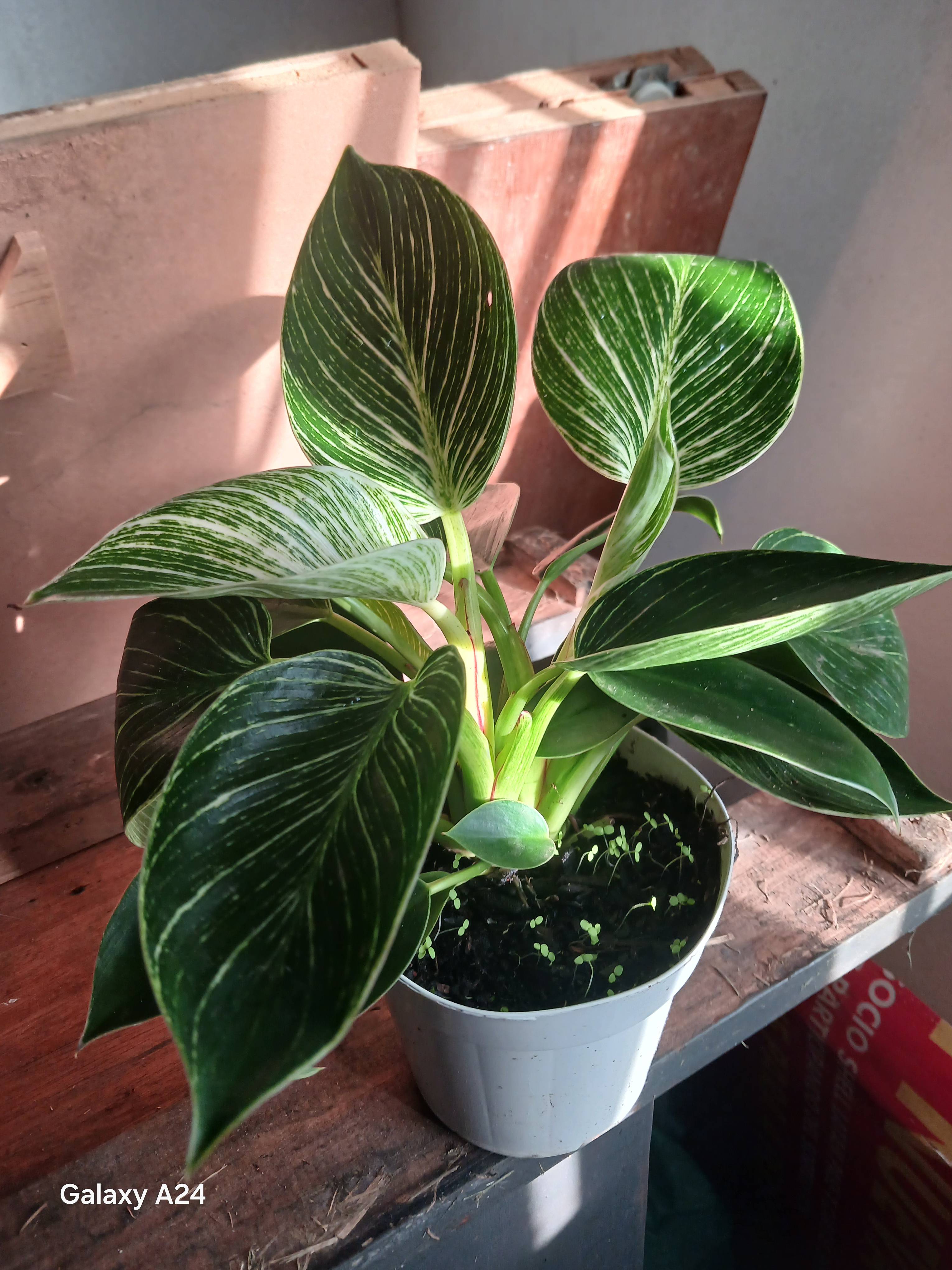

Basic Care to Keep Calathea Ornata Healthy
🌿 Calathea Ornata (Goeppertia sanderiana (Sander))
The Calathea Ornata (Goeppertia sanderiana) appears healthy: dark green leaves with well-defined white veins and moist, healthy-looking substrate. Still, maintaining proper light, watering, humidity, and substrate conditions ensures it retains vigor and color.

What to Do If Your Bitter Broom (Micranthemum umbrosum) Has Yellow Leaves, Spots and a Dry Base
🌿 Escoba amarga (Micranthemum umbrosum (J.F.Gmel.))
The Bitter Broom shows mostly green leaves but with yellowing areas, brown spots and dry material at the base. This points to water stress, poor drainage or light/damage from irregular watering rather than an active pest. Follow guidelines for watering, substrate, light and gentle pruning and re-evaluate the plant in 7–14 days to assess recovery.
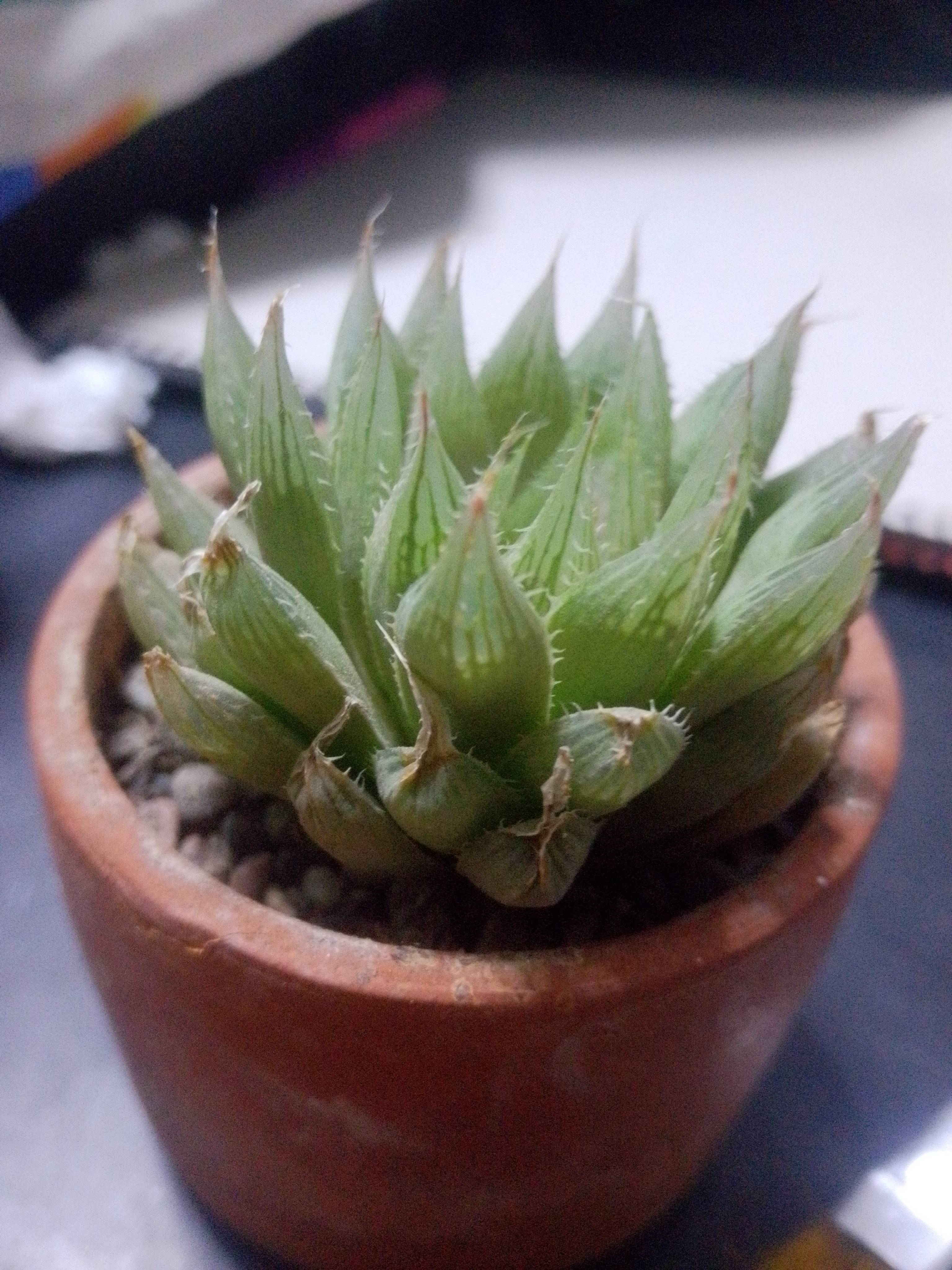
Essential Care for Haworthia cooperi (Water Haworthia)
🌿 Hawortia de agua (Haworthia cooperi Baker)
Haworthia cooperi has firm, translucent green leaves with no visible spots or pests. This article explains why it is healthy and provides practical guidelines on light, watering, substrate, temperature, fertilization, and a checklist to keep it in optimal condition.
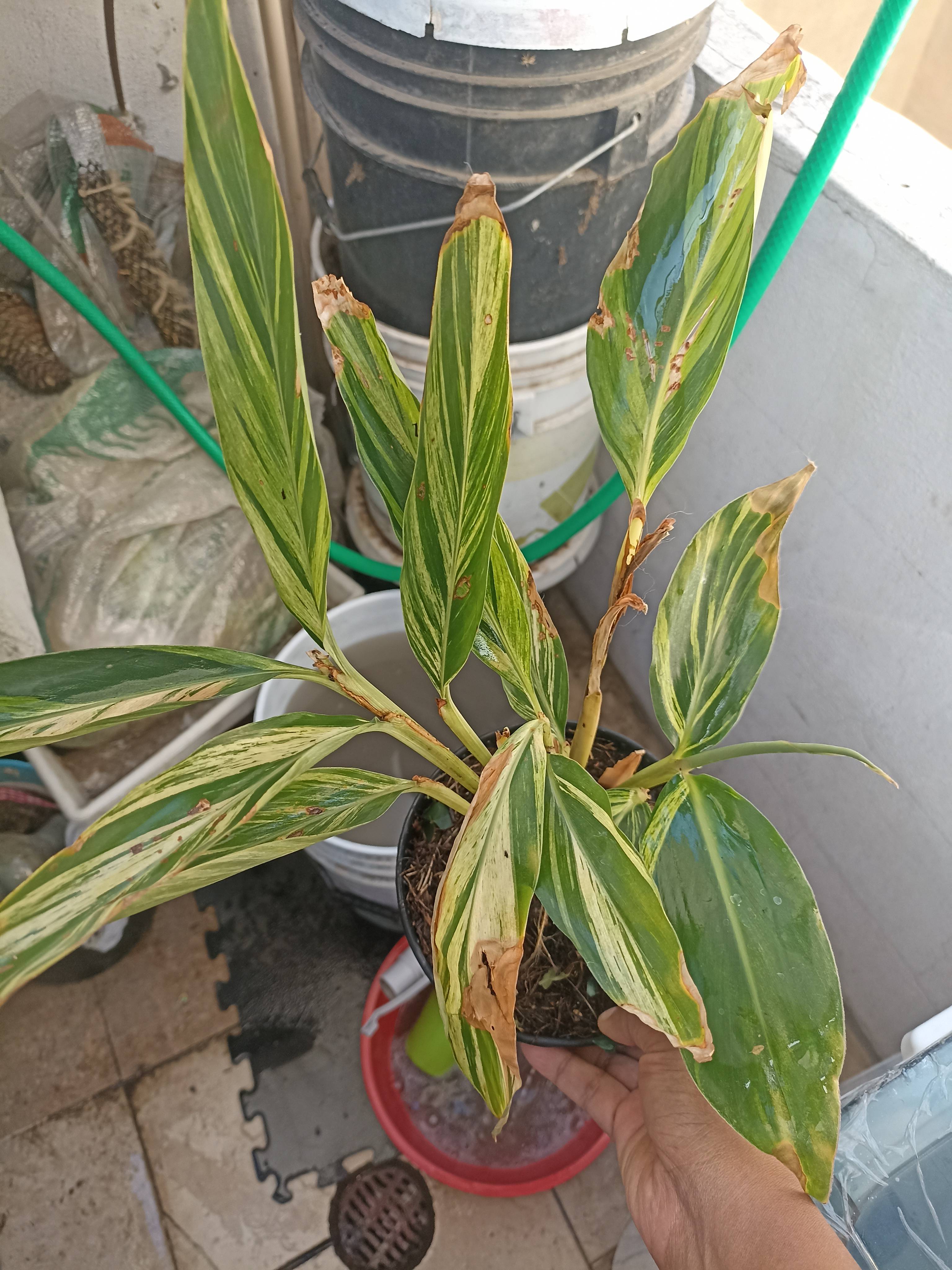
Porcelain Lily (Alpinia zerumbet): How to Identify and Correct Leaf Stress
🌿 Azucena de porcelana (Alpinia zerumbet (Pers.))
The Porcelain Lily shows brown spots and dry edges from environmental stress. In most cases this is sunburn, irregular watering, low humidity, or poor potting mix. Here are likely causes, practical fixes, and a checklist for the next weeks.
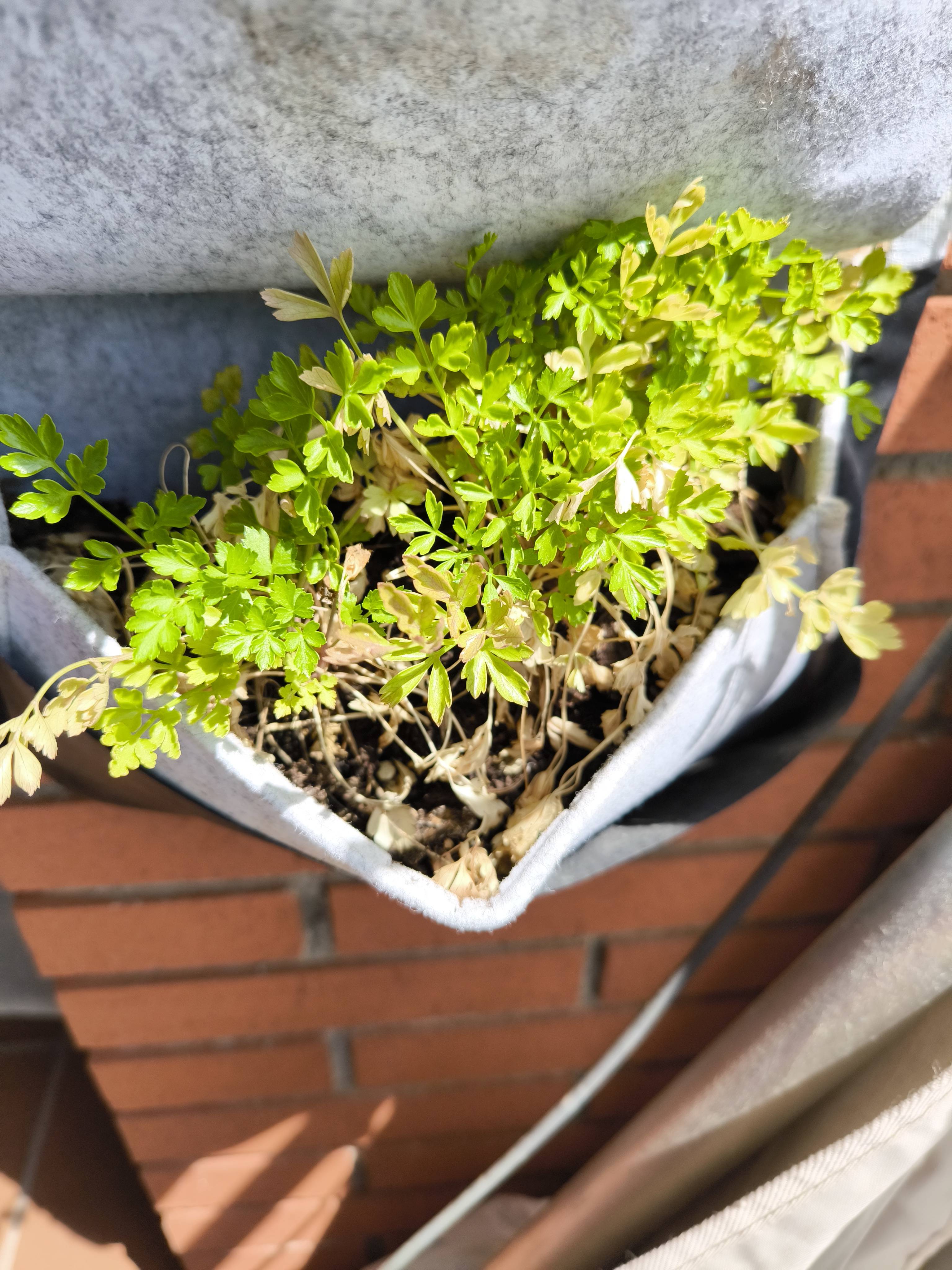
How to recover parsley with yellow, dry leaves
🌿 Perejil (Petroselinum crispum (Mill.))
The parsley shows chlorosis (yellowing leaves) and some dry leaves. There are no clear signs of pests or infections, so the most likely causes are cultural problems: watering, light, nutrients, or substrate. Follow a practical diagnostic and care guide to restore the plant's vitality.
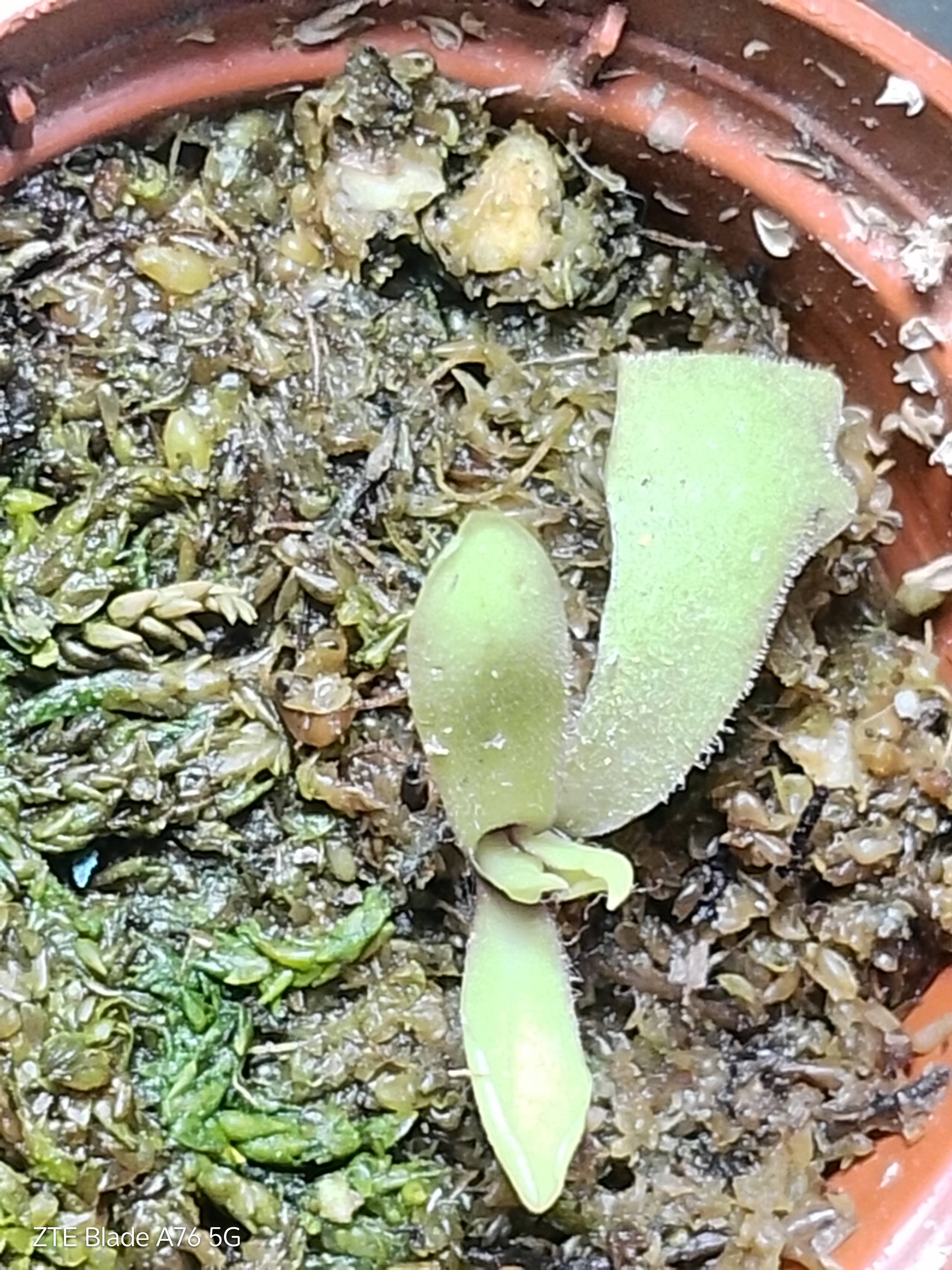
How to Recover a Pinguicula moranensis with Decomposing Substrate
🌿 Violeta de barranca (Pinguicula moranensis Kunth)
Pinguicula moranensis often shows small, pale-green leaves when the substrate accumulates decomposing organic matter and retains moisture. Even if the plant has no visible spots or pests, excess moisture in the mix can cause stress and promote fungal growth. Here are diagnosis, common causes, immediate actions, and follow-up steps to restore a healthy substrate and prevent further damage.
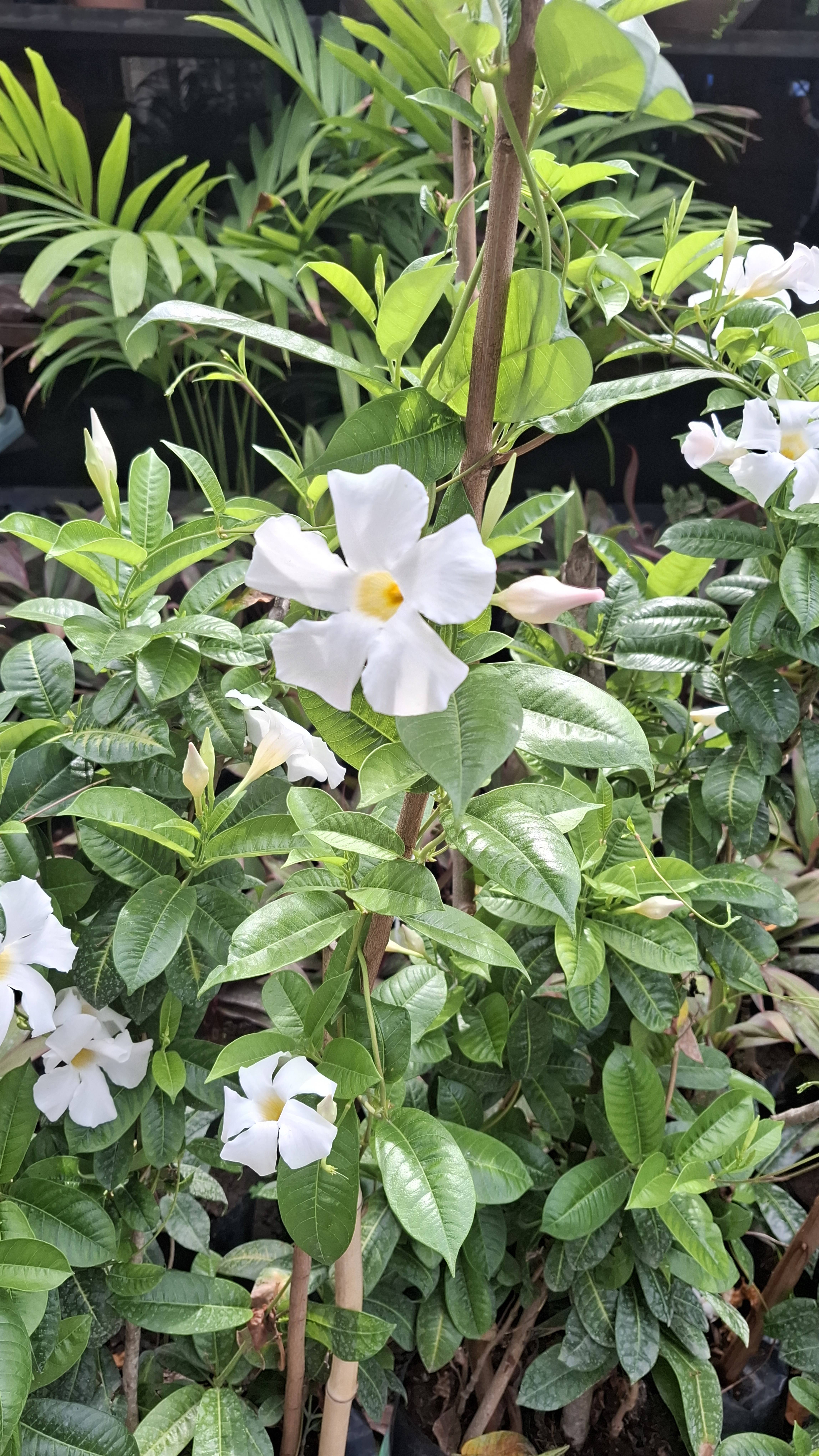
Care for Chile Jasmine (Mandevilla laxa): a guide to keeping it healthy
🌿 Jazmín de Chile (Mandevilla laxa (Ruiz)
The Chile Jasmine (Mandevilla laxa) shown has healthy green leaves and white flowers with no visible signs of pests or disease. Here are practical recommendations for light, watering, substrate, temperature, fertilization, and a 7–14 day monitoring checklist to keep this plant in optimal condition.
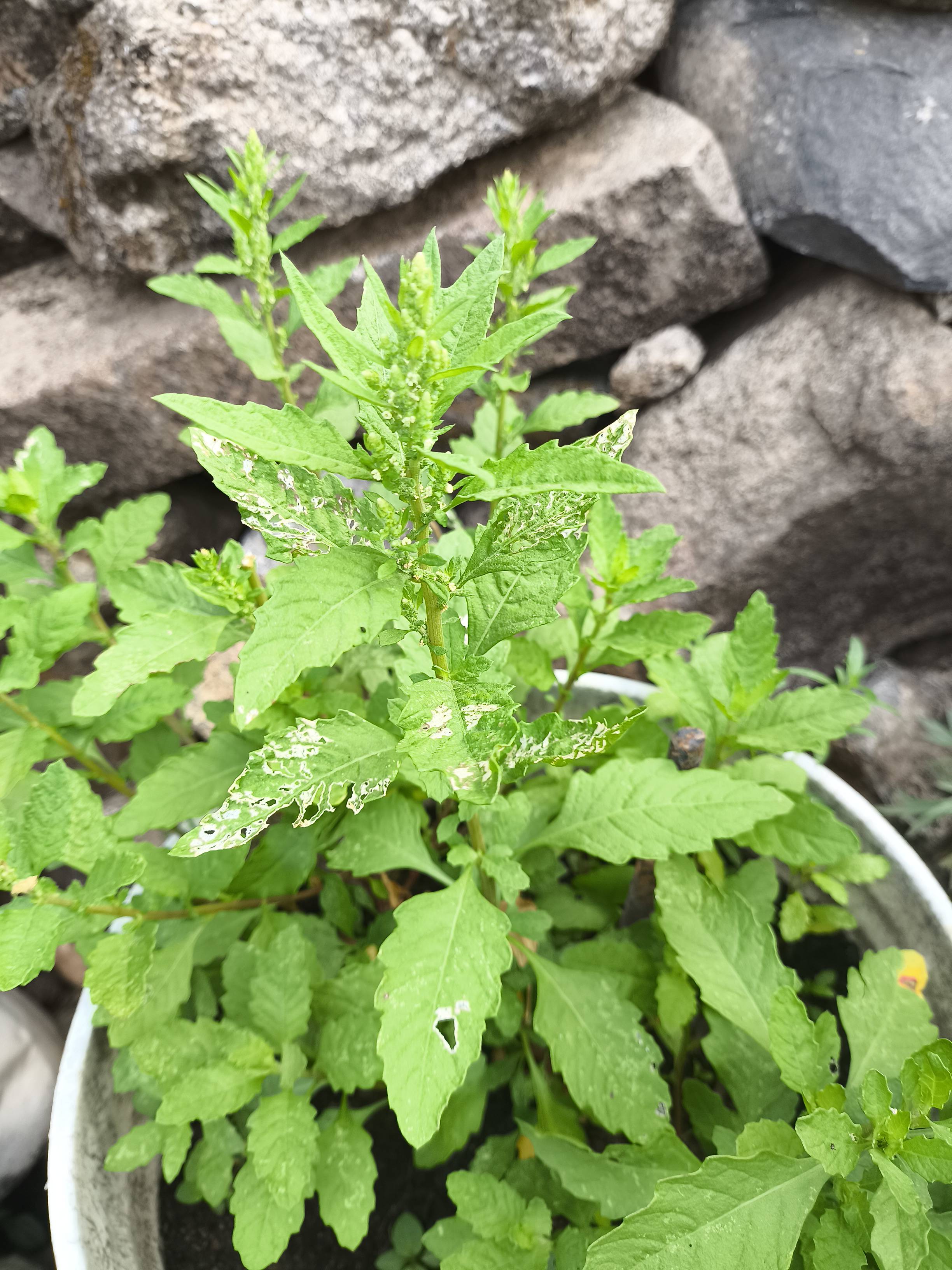
Paico (Dysphania ambrosioides): how to identify and treat mild leaf damage
🌿 Paico (Dysphania ambrosioides (L.))
The paico shows generally acceptable health but has perforations and small white spots on the leaves, likely caused by chewing insects, mites/thrips, leaf miners or physical damage. Here are probable causes, a step-by-step diagnosis and a practical, safe action plan to restore vigor and prevent recurrence.
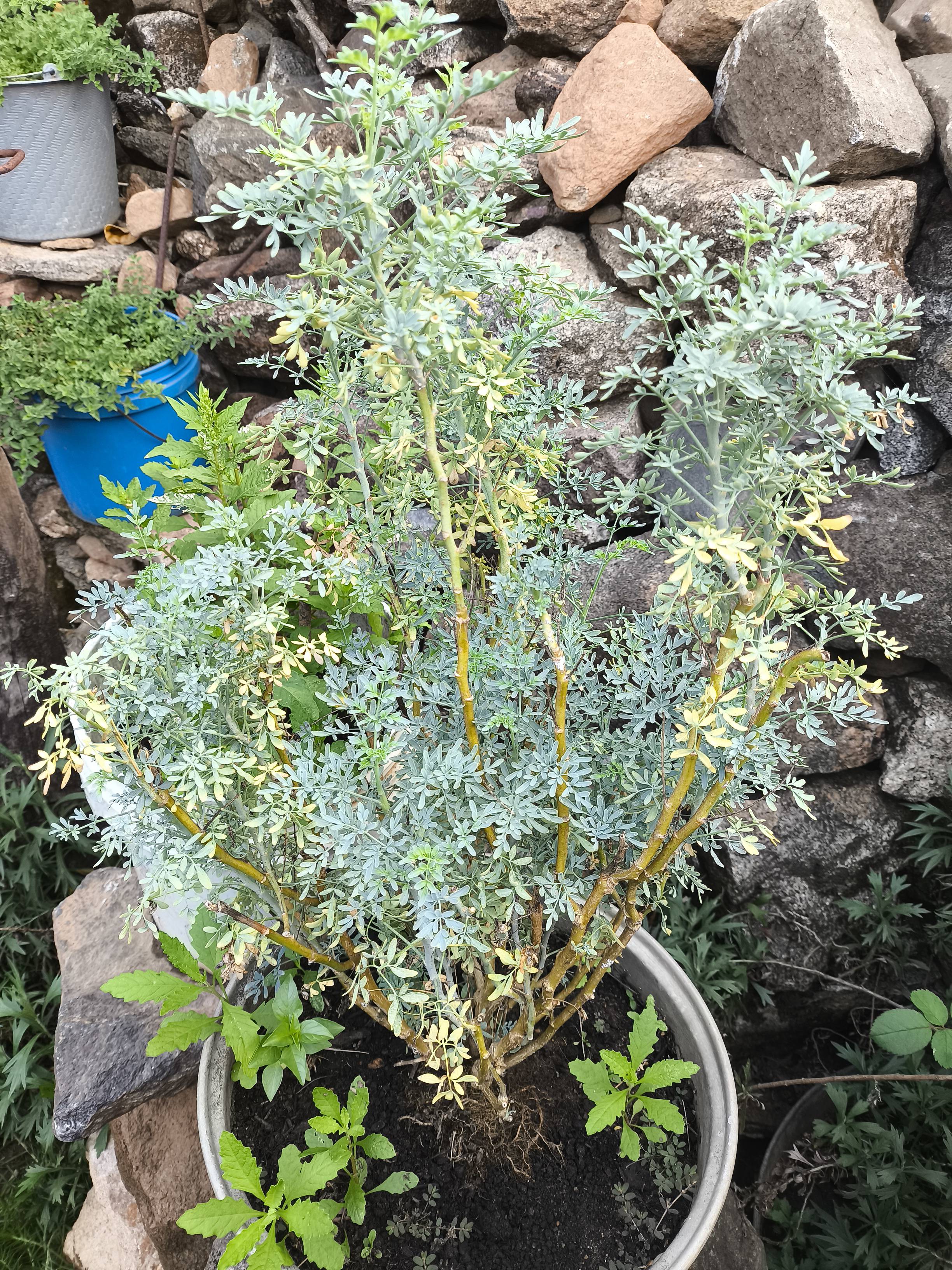
Why rue turns yellow after a transplant (and how to recover it)
🌿 Ruda (Ruta chalepensis L.)
Rue (Ruta chalepensis) that turned yellow after a transplant in Oaxaca likely shows stress from the move, improper watering, or poor potting mix. With simple adjustments to watering, light and substrate and monitoring for 7–14 days, the plant usually recovers.
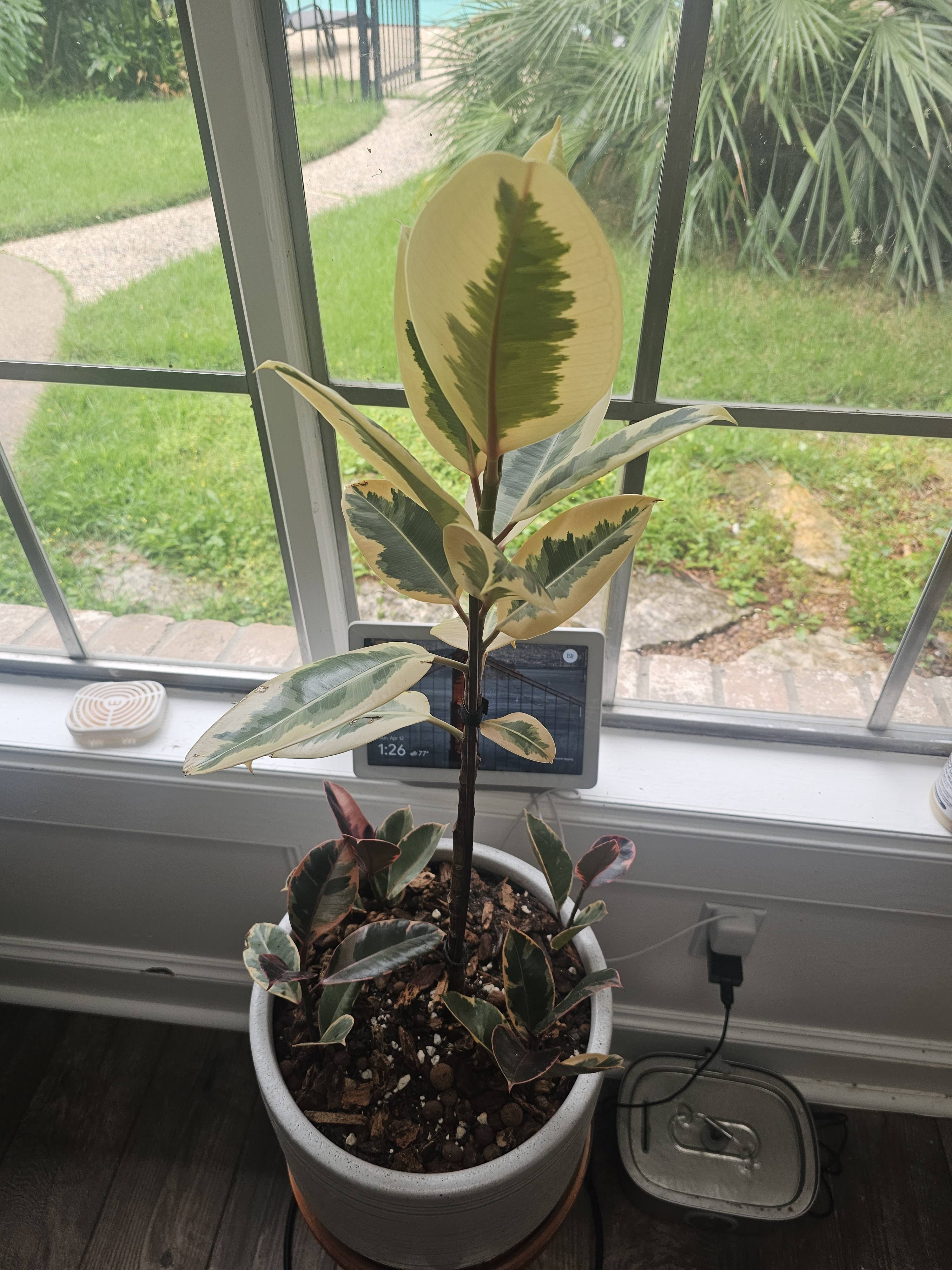
Variegated Rubber Plant (Ficus elastica) Care — diagnosis and recommendations
🌿 Gomero (Ficus elastica Roxb.)
The identified Rubber Plant (Ficus elastica) is in good overall condition: healthy variegated leaves, a firm stem, and no signs of pests, spots, or rot. Below are specific care guidelines to maintain its health and a checklist for periodic inspections.
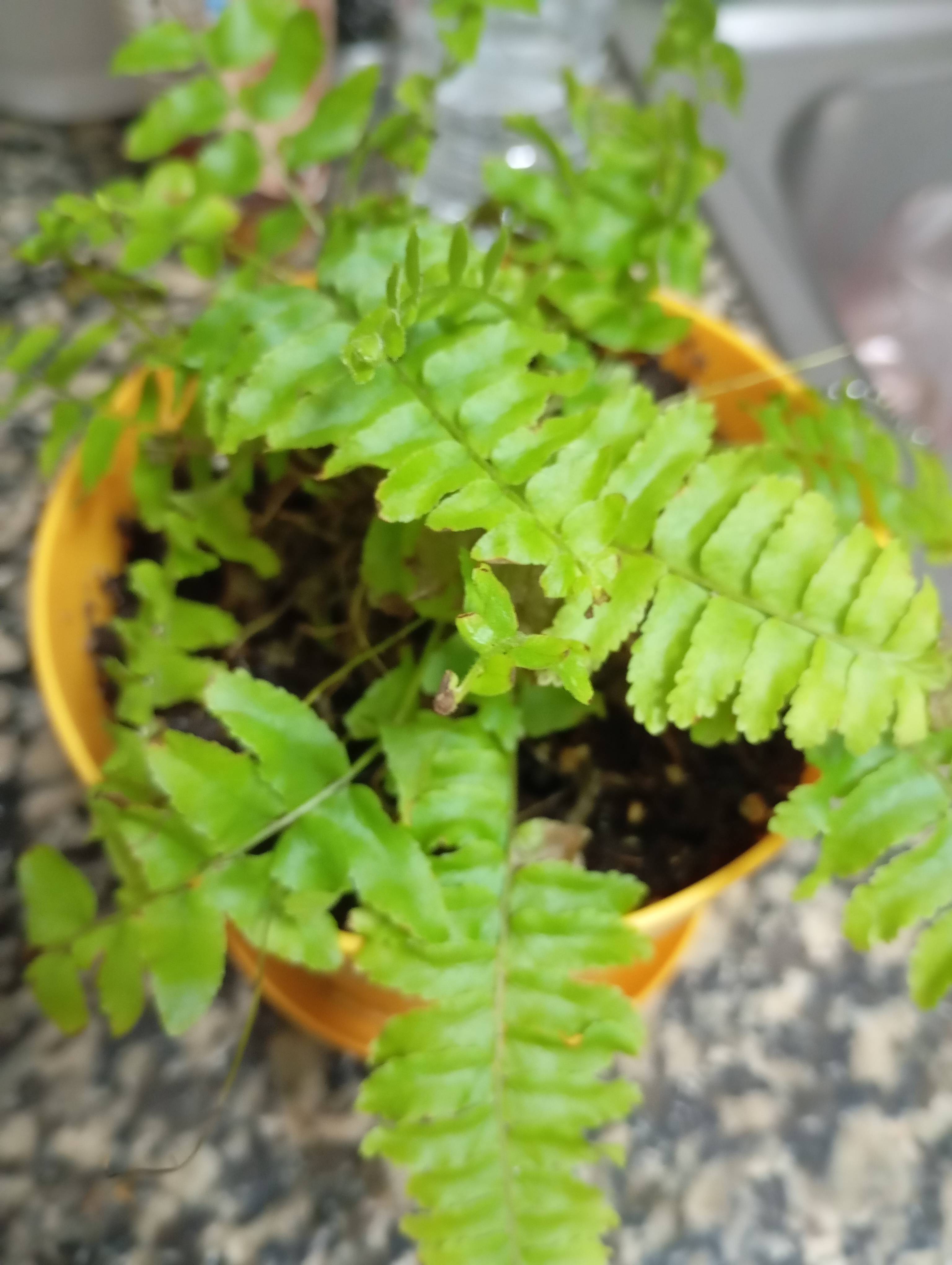
Care for the Boston Fern (Nephrolepis exaltata): quick guide to keep it healthy
🌿 Helecho común (Nephrolepis exaltata (L.))
The Boston Fern (Nephrolepis exaltata) shown is in good condition: green fronds with no visible damage. Here is a maintenance guide to preserve its health —light, watering, humidity, substrate, fertilizing and prevention— plus a weekly checklist.
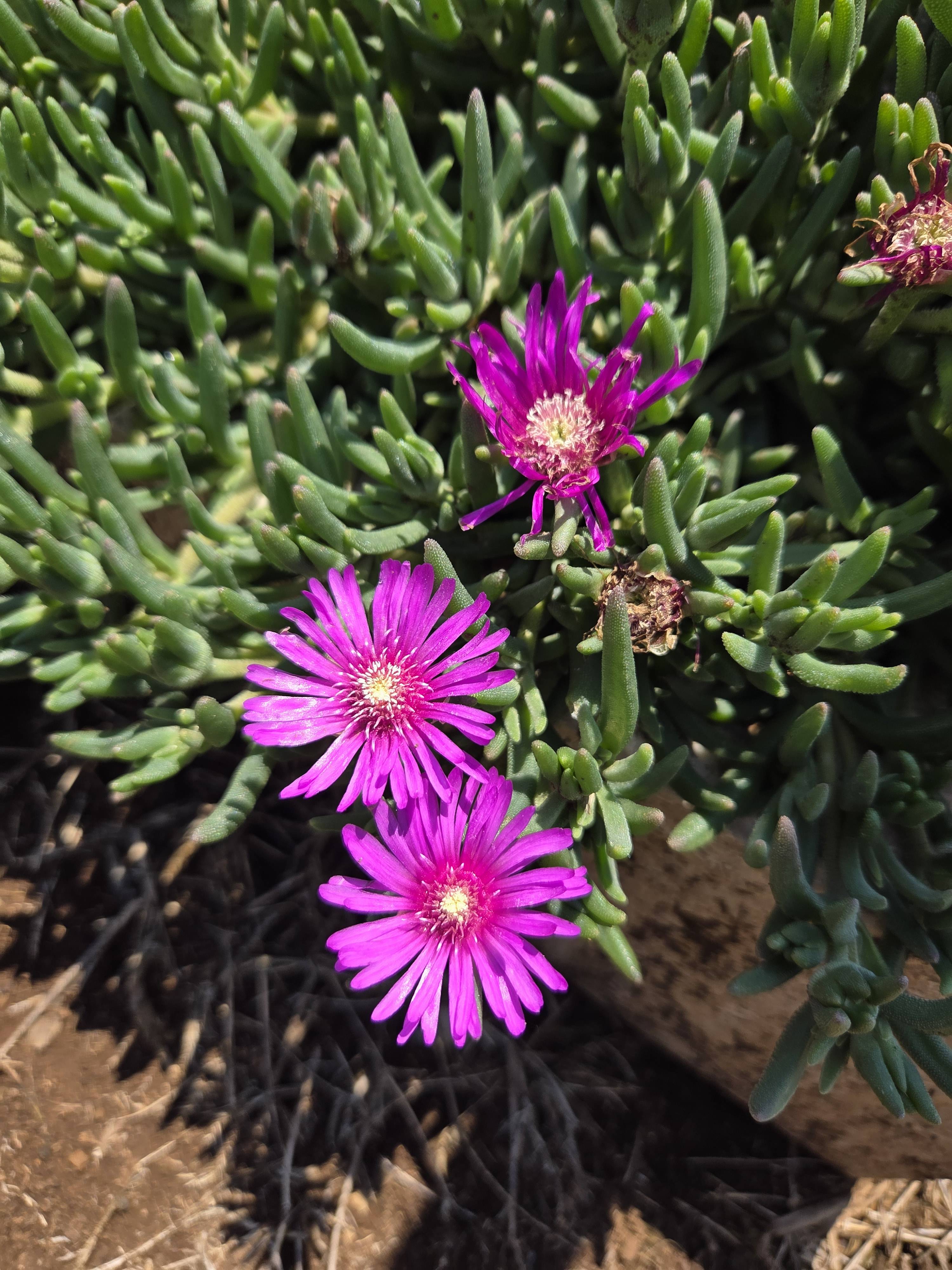
Care for Ice Plant (Delosperma cooperi): Quick Guide for Healthy, Abundantly Flowering Plants
🌿 Rayito de sol (Delosperma cooperi (Hook.f.))
The Ice Plant (Delosperma cooperi) shown appears healthy: green leaves, vivid magenta flowers, and some dried blooms that are part of the normal cycle. There are no signs of pests, rot, or active sunscorch. This guide explains why it is healthy and which practices to follow to maintain and improve its vigor and flowering.
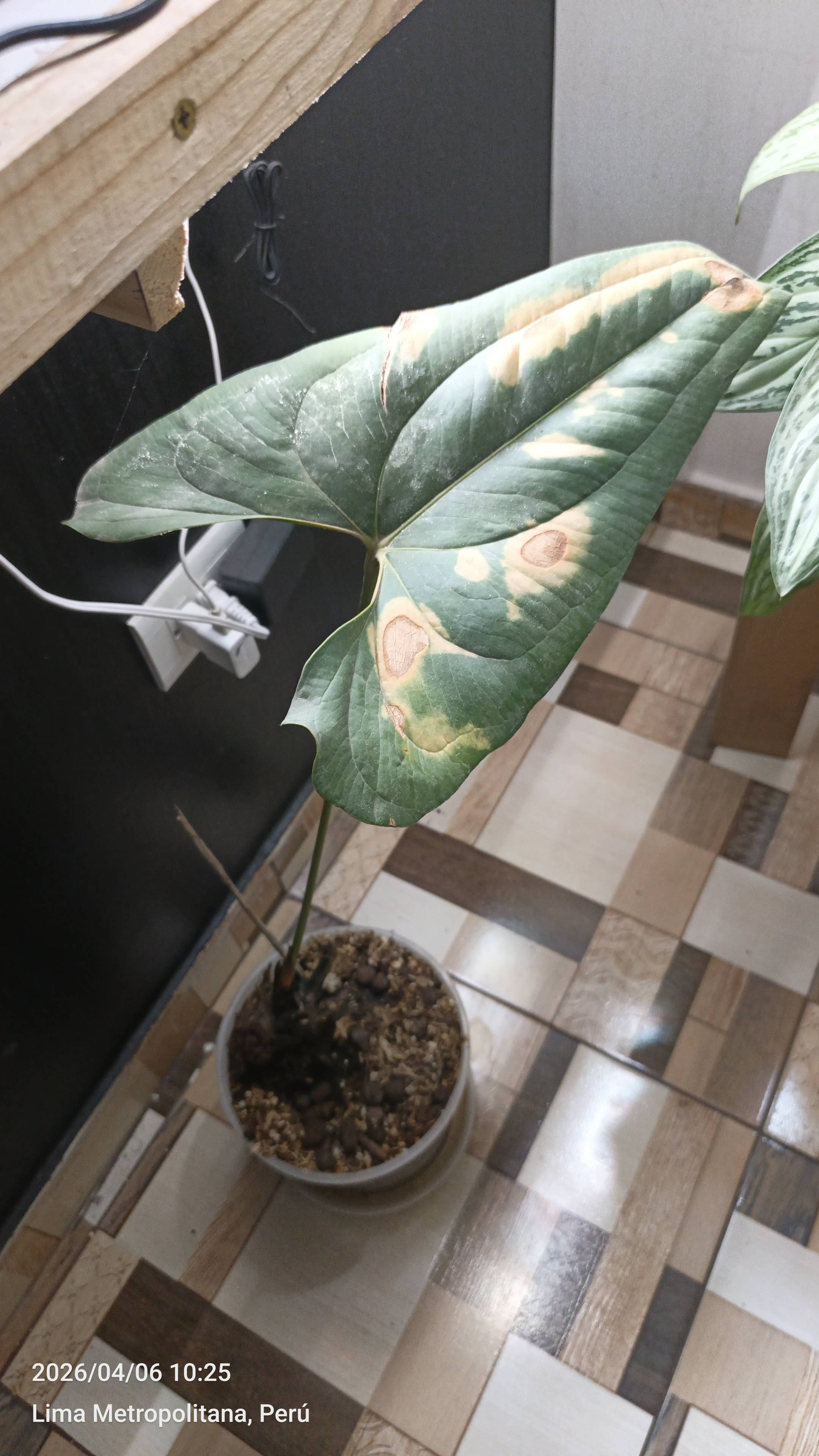
Kakáchip (Anthurium formosum): brown leaf spots — diagnosis and solutions
🌿 Kakáchip (Anthurium formosum Schott)
Leaves show brown spots with yellowish edges and darker centers, indicative of water stress, leaf scorch from intense light, or salt buildup; no visible pests. Follow guidelines for watering, light, and substrate to stabilize the plant and monitor its progress for 7–14 days.
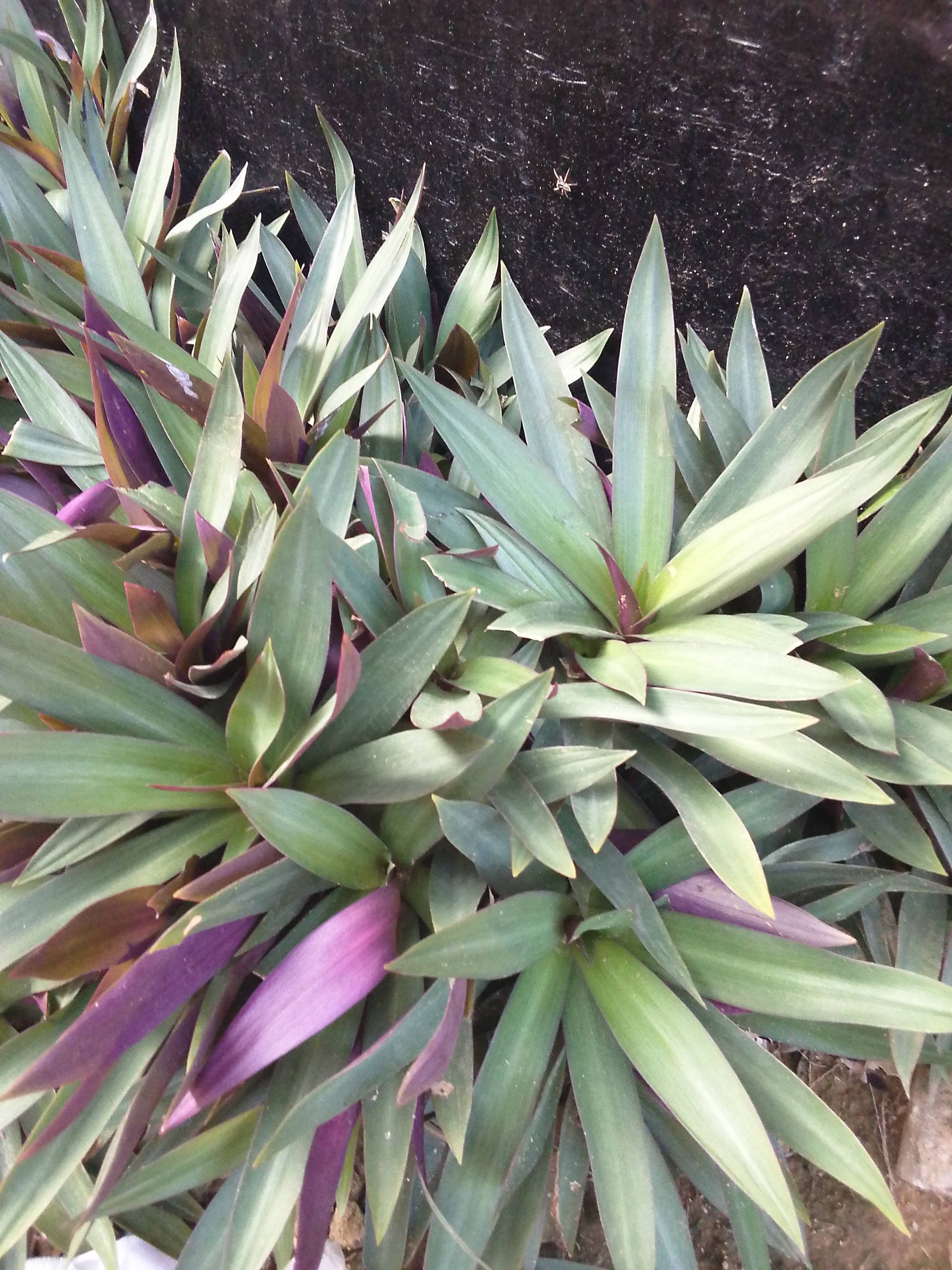
Care tips for Moses-in-the-cradle (Tradescantia spathacea) with minor leaf-edge dryness
🌿 Moses-in-the-cradle (Tradescantia spathacea Sw.)
Your Tradescantia spathacea looks healthy overall, with vibrant foliage and no signs of pests or disease. A few leaves show slight edge dryness likely from low humidity or brief environmental stress. Follow light, watering, humidity, and feeding guidelines and monitor over 7–14 days to ensure the issue doesn't progress.
Calathea (Goeppertia ornata) Care: Keeping Leaves Vibrant and Proper Humidity
🌿 Calathea (Goeppertia ornata (Lem.))
Calathea (Goeppertia ornata) appears healthy with its characteristic white striping on dark green leaves. There are no clear signs of pests or rot; the substrate is slightly dry at the surface. Follow these light, watering, humidity, and substrate guidelines to keep it in good condition and prevent problems.
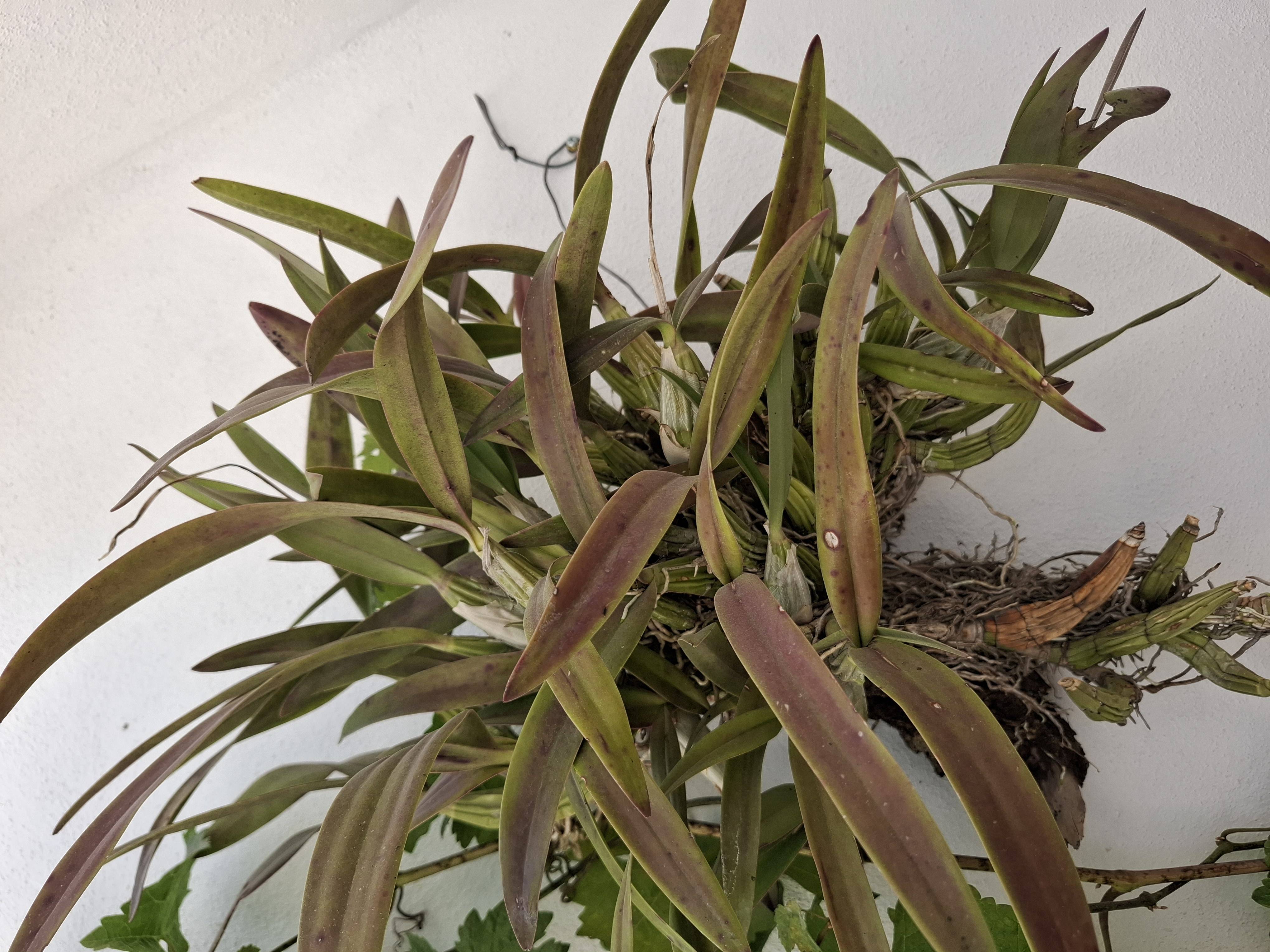
How to Care for Laelia autumnalis Showing Mild Leaf Stress Signs
🌿 Laelia autumnalis (Lex.)
Laelia autumnalis displays elongated leaves with green and brown tones, small dark spots, and dry tips/edges. No visible pests or active rot are present. Likely causes are irregular watering, intense light or temperature swings, poorly draining substrate, and low ambient humidity. Practical actions for watering, light, substrate, humidity, and monitoring are provided to help recover the plant within 7–14 days.
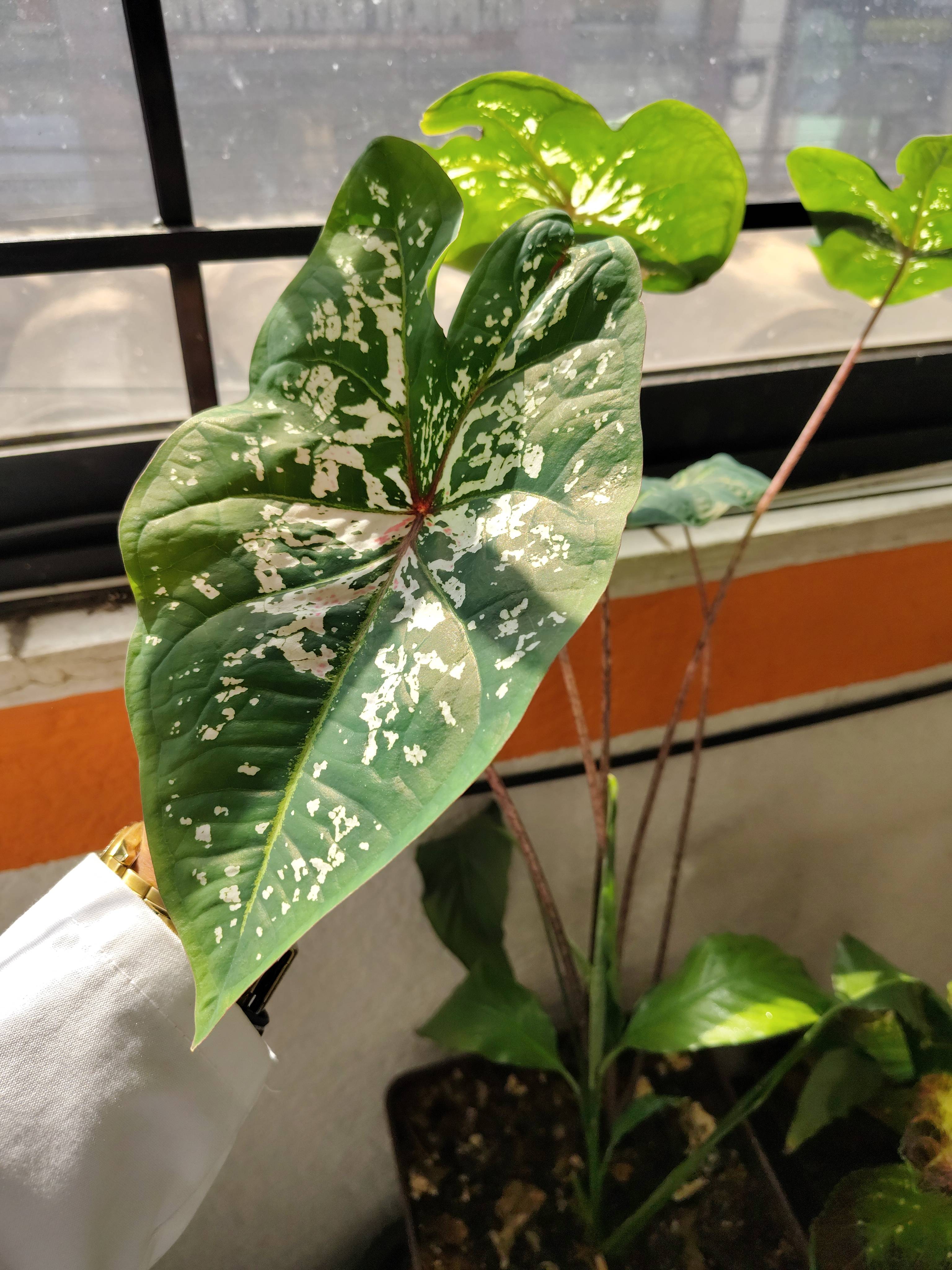
White spots on Heart of Jesus (Caladium bicolor): diagnosis and care
🌿 Corazón de Jesús (Caladium bicolor (Aiton))
Scattered white spots on green leaves of Caladium bicolor are usually variegation, surface deposits, or mild light/water damage. There are no signs of pests or rot; it is recommended to clean, adjust light and watering, and observe for 7–14 days before taking action.
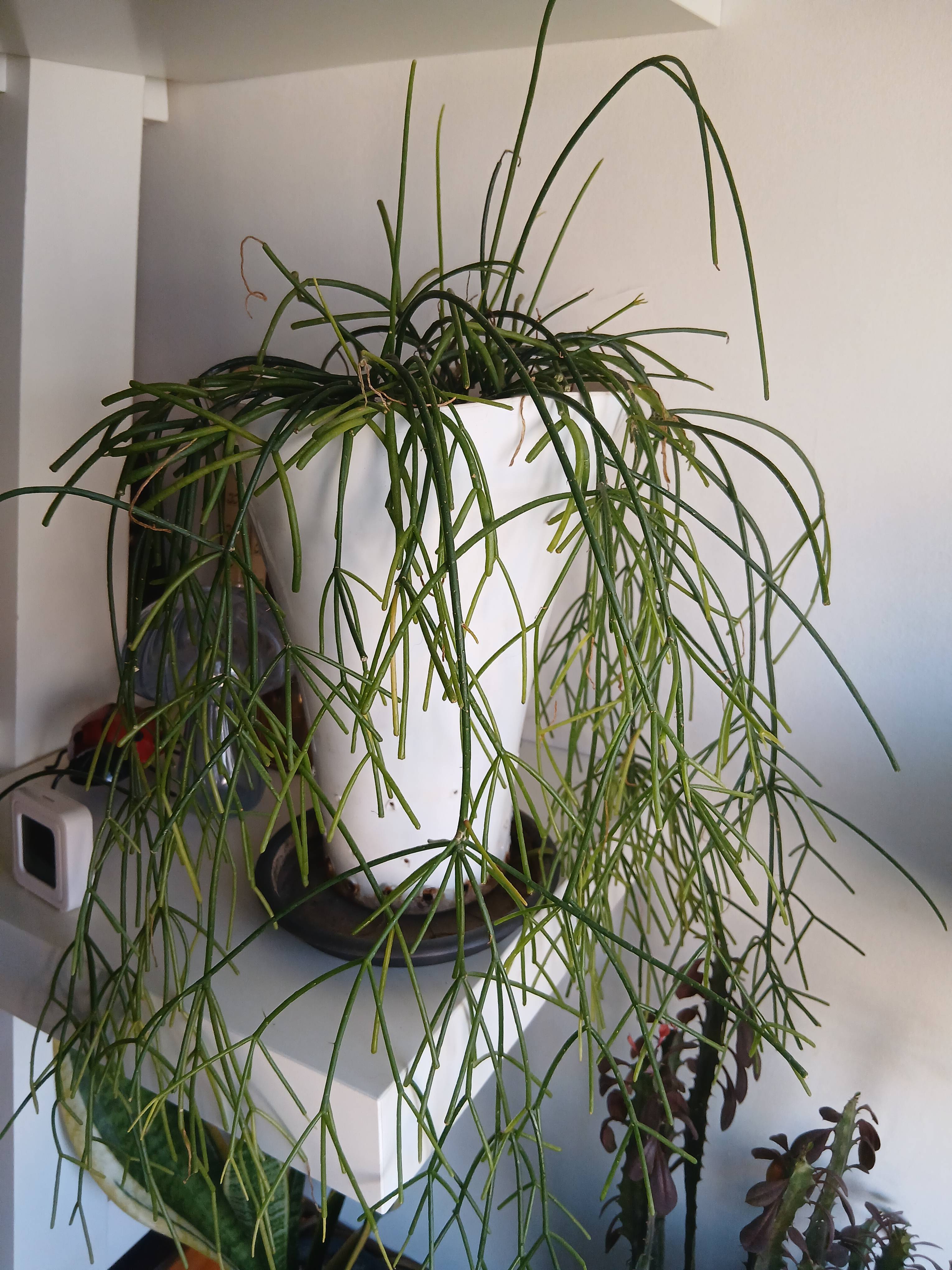
Nopalillo - 'Evil Eye' Care (Rhipsalis baccifera): Quick Maintenance Guide
🌿 Nopalillo-mal ojo (Rhipsalis baccifera (J.S.Muell.))
Rhipsalis baccifera —known as nopalillo or “evil eye”— displays thin green stems without visible signs of disease. Follow these light, watering, substrate, and monitoring recommendations to keep it healthy and detect problems early.
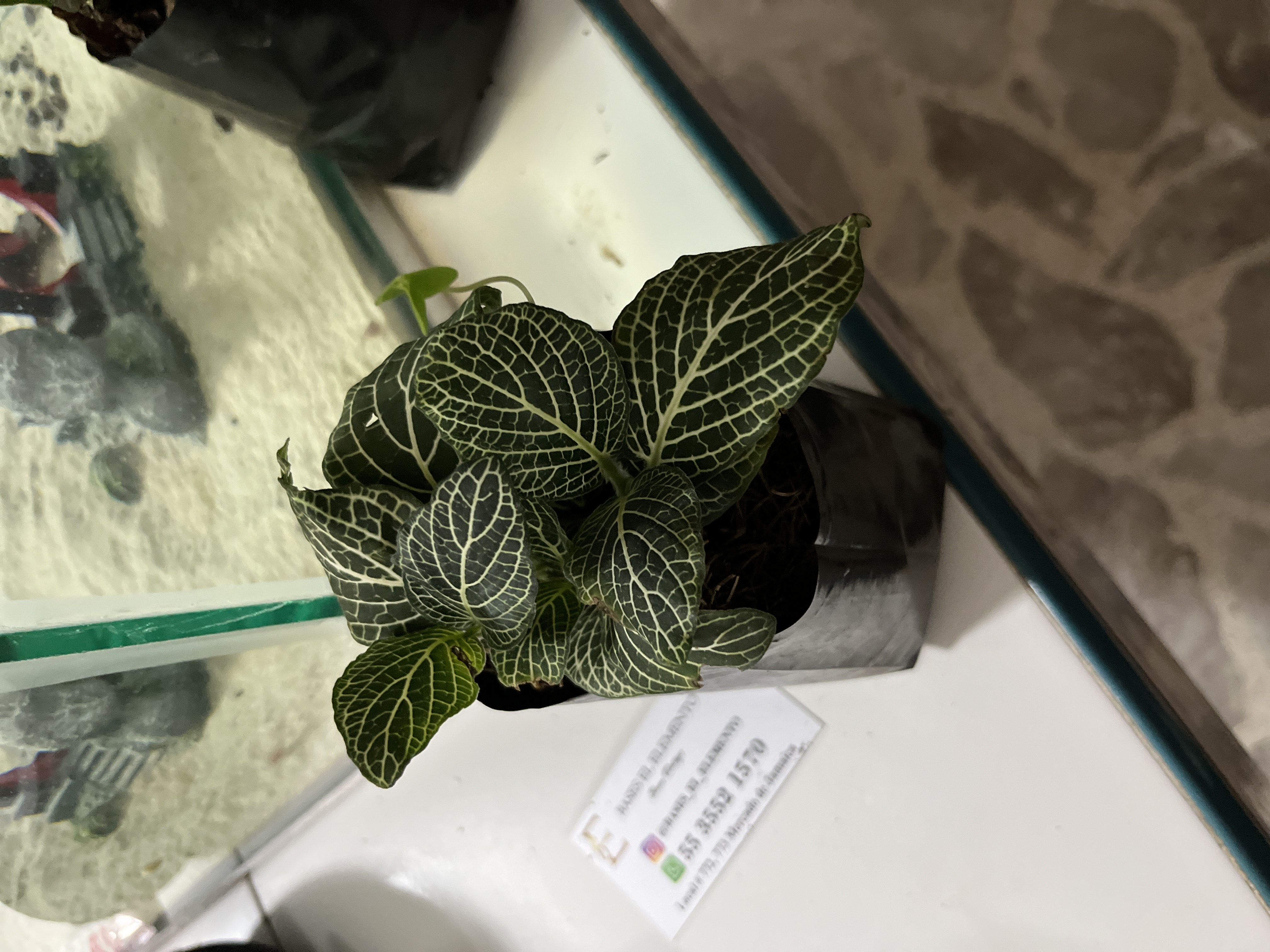
Fittonia (Fittonia albivenis): care guide for a clearly healthy plant
🌿 Fitonia (Fittonia albivenis (Lindl.)
Diagnosis: Fittonia in good condition — dark leaves with white veins, no spots or pests. No problems detected. Practical recommendations on light, watering, substrate, temperature, humidity and preventive maintenance.